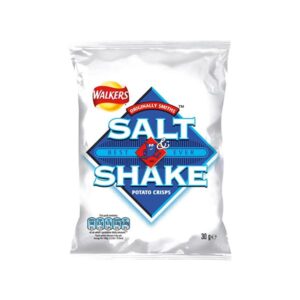
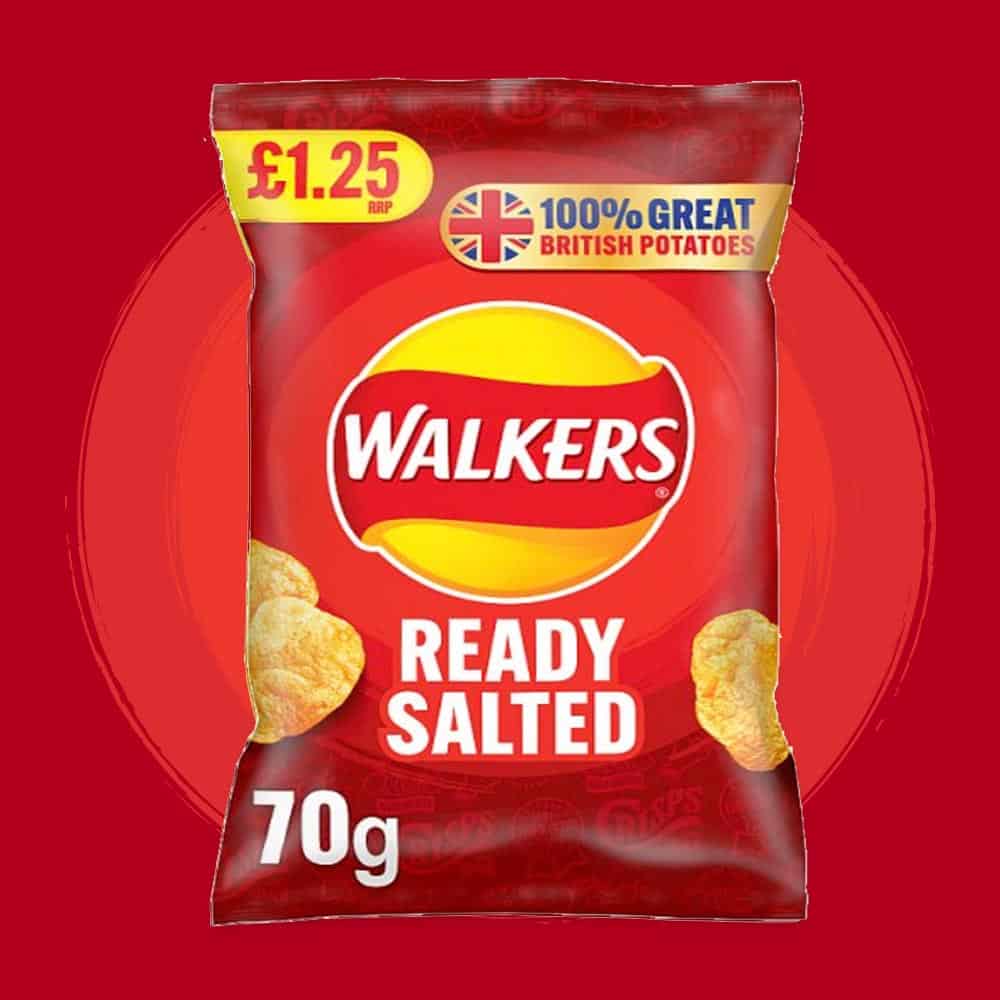
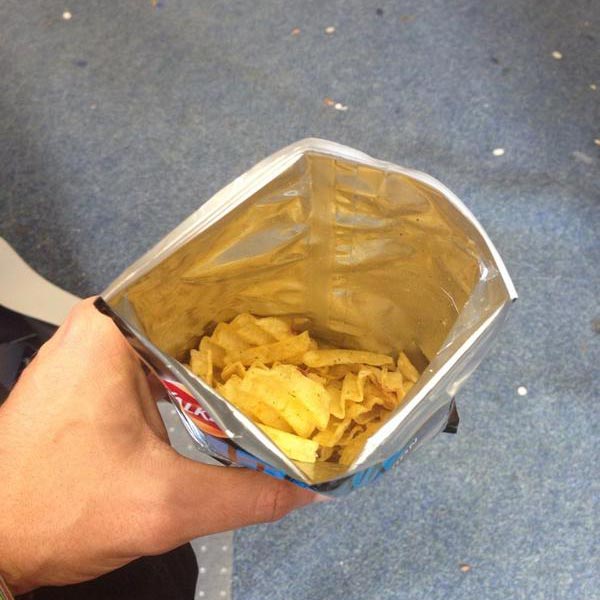
You open a bag of crisps and it’s half air. It happens every time, with every brand, and it feels like you’ve been short-changed. The bag looked full in the shop. You paid for a full bag. What’s going on?
The air is deliberate, it has a name, and it’s doing something useful. Here’s the full explanation.
Grab These Too…
Awfully Posh Traditional Pork Scratching
Awfully Posh Simply Salted Pork Puffs
Awfully Posh Sea Salt Pork Crackling
Wallaroo Organic Toasted Coconut Chips
The Air in Crisp Bags Has a Name
What Is Slack Fill?
The space inside a crisp packet is called slack fill. Not all slack fill is the same. Some of it is genuinely functional, some of it is there to make the product look bigger than it is, and regulations in the UK and EU are supposed to limit the latter. In practice, the line between functional and deceptive slack fill is contested, and crisp manufacturers tend to land on the side of more air rather than less.
The functional argument is straightforward: crisps are fragile. A bag packed tightly with crisps would arrive at the shop as crisp dust. The air provides a buffer.
Nitrogen, Not Ordinary Air
The gas pumped into crisp packets isn’t air from the factory floor. It’s nitrogen, specifically chosen because it’s inert and doesn’t react with the crisps. Regular air contains oxygen, and oxygen causes crisps to go stale by reacting with the fats in the crisps. Nitrogen stops that process entirely.
This is why an unopened bag of crisps has a shelf life measured in months rather than days. The nitrogen atmosphere inside the sealed bag keeps the crisps fresh from the moment they’re packed until the moment you open the packet. Once you break the seal and let oxygen in, the clock starts ticking. A half-eaten bag left open will go soft within a day or two.
Why Crisps Need Protection
How Fragile Crisps Actually Are
A thin fried potato crisp is structurally quite delicate. The same quality that makes it satisfying to eat, that immediate snap when you bite down, makes it prone to breaking under pressure. Stack too many crisps together, apply any meaningful weight, and they break.
The supply chain from factory to your hands involves a lot of handling. Bags are packed, loaded onto pallets, transported by lorry, unloaded at a warehouse, loaded again, driven to a distribution centre, unloaded, loaded onto a delivery vehicle, taken to a shop, stacked on a shelf, and then carried home in a bag alongside other shopping. At any point in that process, a tightly packed crisp bag would get compressed and the crisps inside would crumble.
The nitrogen cushion absorbs the pressure. Bags are deliberately inflated so that external force compresses the gas rather than the crisps.
Why the Bag Looks Fuller Than It Is
The bag size is partly determined by the amount of crisps and partly by the need for enough gas volume to protect them. The result is a bag that looks like it contains more than it does. This is where the consumer frustration comes from, and it’s legitimate: the bag shape and size creates an expectation that the fill level doesn’t meet.
Grab Bags Of Crisps Always Half Full while you read
(Ad) Affiliate links: we may earn a commission
Some manufacturers have reduced bag sizes over the years while maintaining similar gas volumes, which means the apparent shortfall has got worse even when the crisp quantity has stayed the same. Shrinkflation in the crisp world is real, and the nitrogen padding makes it easier to disguise.
Does the Amount of Air Vary by Brand?
Some Brands Use More Than Others
Yes. There’s no single industry standard for how much nitrogen goes into a crisp packet. Some brands inflate their bags more than others, and the ratio of crisps to air varies noticeably when you compare packets side by side. Premium brands and own-label supermarket crisps tend to have slightly different fill ratios to the major mainstream brands.
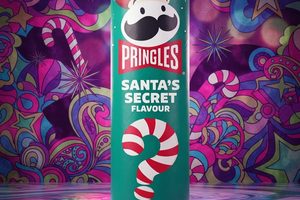
Tube-format crisps like Pringles sidestep this entirely. The rigid tube protects the crisps mechanically, so no gas cushion is needed. Each crisp sits neatly stacked inside and arrives intact. The trade-off is that the tube format means fewer varieties and no option to reseal easily.
Does the Weight on the Packet Match What You Get?
Yes, always. The weight declared on the front of a crisp packet is the net weight of the crisps themselves, not including the packaging or the gas. Trading Standards in the UK enforces this, and manufacturers are required to hit the declared weight within a small tolerance. The bag may look half empty, but you’re getting the grams of crisps stated on the front.
If you want more crisps per penny, buying in bulk is the straightforward solution. A box of crisps works out considerably cheaper per bag than buying individually, and you go through the disappointment of opening bags at a much faster rate.
Is This Legal?
UK Regulations on Slack Fill
Deliberately misleading packaging is illegal under UK consumer protection law. The challenge is proving that the air volume is misleading rather than functional. Crisp manufacturers argue that all the nitrogen in their packets is functional: it protects the product during transit. Regulators have generally accepted this argument, which is why crisp bags continue to be as inflated as they are.
If a bag contained no crisps and only air, that would clearly be deceptive. If it contains the declared weight of crisps and the rest is nitrogen for protection, the legal position is that the packaging is functional. Whether that feels satisfying as a consumer is a different question.
Will It Ever Change?
Probably not much. The physics of protecting fragile crisps during distribution haven’t changed, and neither has the commercial incentive to have a larger-looking package on the shelf. Some brands have moved toward more honest sizing in response to consumer pressure, but the fundamental ratio of crisp to nitrogen is likely to stay roughly where it is.
The practical response is to judge crisps by the weight on the packet, not the size of the bag. And if you want to make the per-bag cost as low as possible, buying boxes of crisps in bulk is the most efficient approach.
Stock Up Without the Guesswork
You always know exactly how many bags you’re getting when you buy crisps in bulk at One Pound Crisps. Browse boxes from all the major brands with the weight and bag count clearly listed.
Why are crisp bags always half full of air?
The air is actually nitrogen, pumped in deliberately to protect the crisps during transport and to keep them fresh. Nitrogen is inert and doesn’t react with the fats in crisps, which stops them going stale. The gas also creates a cushion that prevents the crisps from breaking during transit.
What gas is in crisp packets?
Crisp packets are filled with nitrogen rather than regular air. Nitrogen is used because it doesn’t react with food, unlike oxygen which causes crisps to go stale by reacting with the fats. The nitrogen atmosphere extends shelf life considerably.
Is it legal to sell crisp bags that are half empty?
Yes. UK consumer protection law requires the declared weight on the packet to be accurate, which it is. The nitrogen in the bag is considered functional packaging rather than deceptive fill, because it genuinely protects the product. The weight you see on the front is the weight of crisps you get.
Do all crisp brands use the same amount of air?
No. There’s no fixed industry standard. The ratio of crisps to nitrogen varies between brands and formats. Tube formats like Pringles contain no gas at all because the rigid container provides mechanical protection instead.
Why do crisps go soft once you open the bag?
Once the seal is broken, oxygen gets in and starts reacting with the fats in the crisps, causing them to go stale and soft. The nitrogen inside the sealed bag prevents this reaction entirely. An opened bag of crisps left unsealed will go soft within a day or two.
Are you getting fewer crisps than you used to?
Possibly. Shrinkflation in the crisp industry is real: some brands have reduced the weight of crisps in a bag over the years while keeping the bag size similar. Always check the gram weight on the front of the packet rather than judging by the bag size.