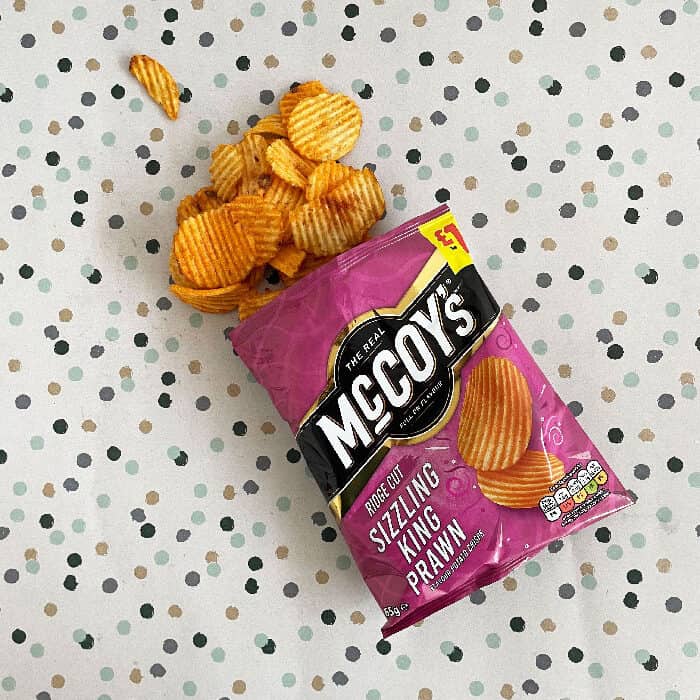
In Britain, crisps are what Americans call chips. The thin, bagged, fried potato snack. In Britain, chips means something else: the thick-cut, hot, fried potatoes that come with fish. Smiths commercially launched the thin snack in the UK in 1920 and called it a crisp because the word described the texture and avoided confusion with chip shop chips. The two words settled into two different meanings and neither country has changed since.
If you have ever asked a British person where to buy chips and been pointed toward a fish and chip shop, this is the post that explains why. The confusion is not accidental. It comes from two countries developing the same snack independently, giving it different names, and then never agreeing on which one is correct.
Grab These Too…
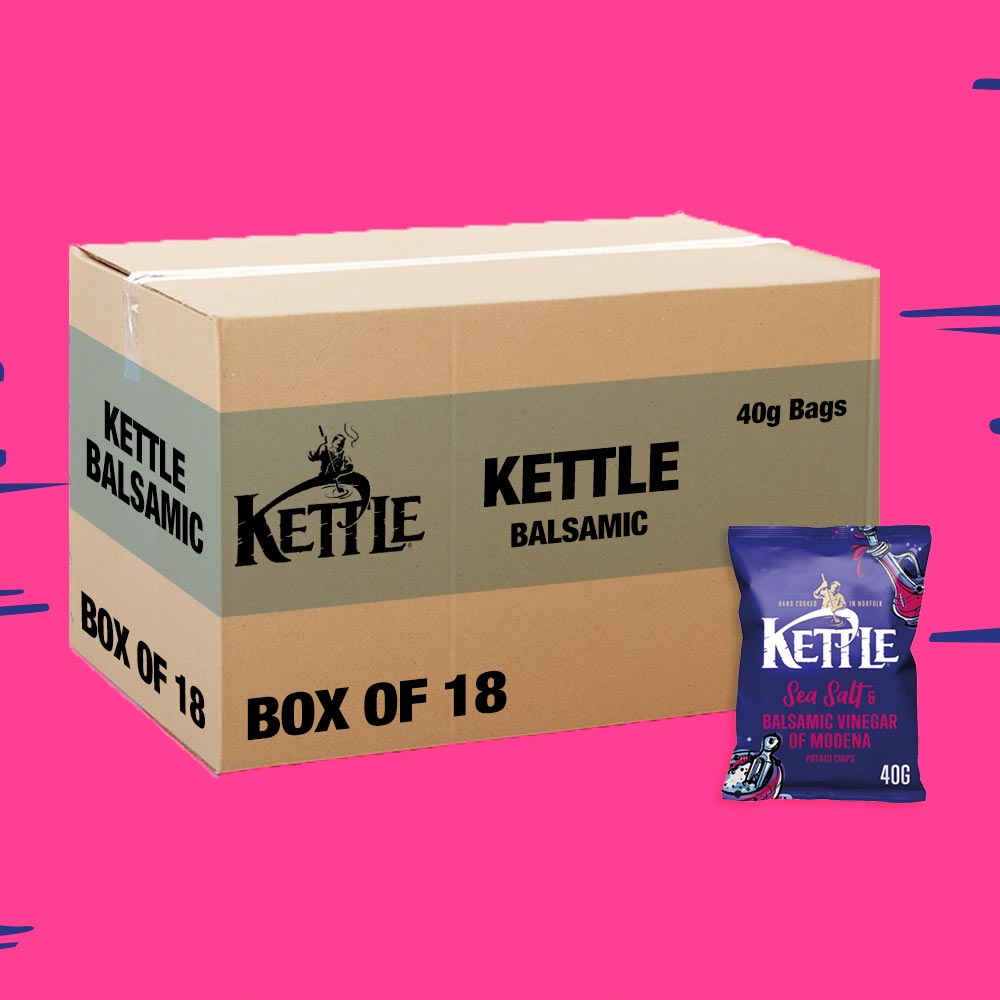
Kettle Chips Sea Salt & Balsamic Vinegar of Modena 40g Box of 18
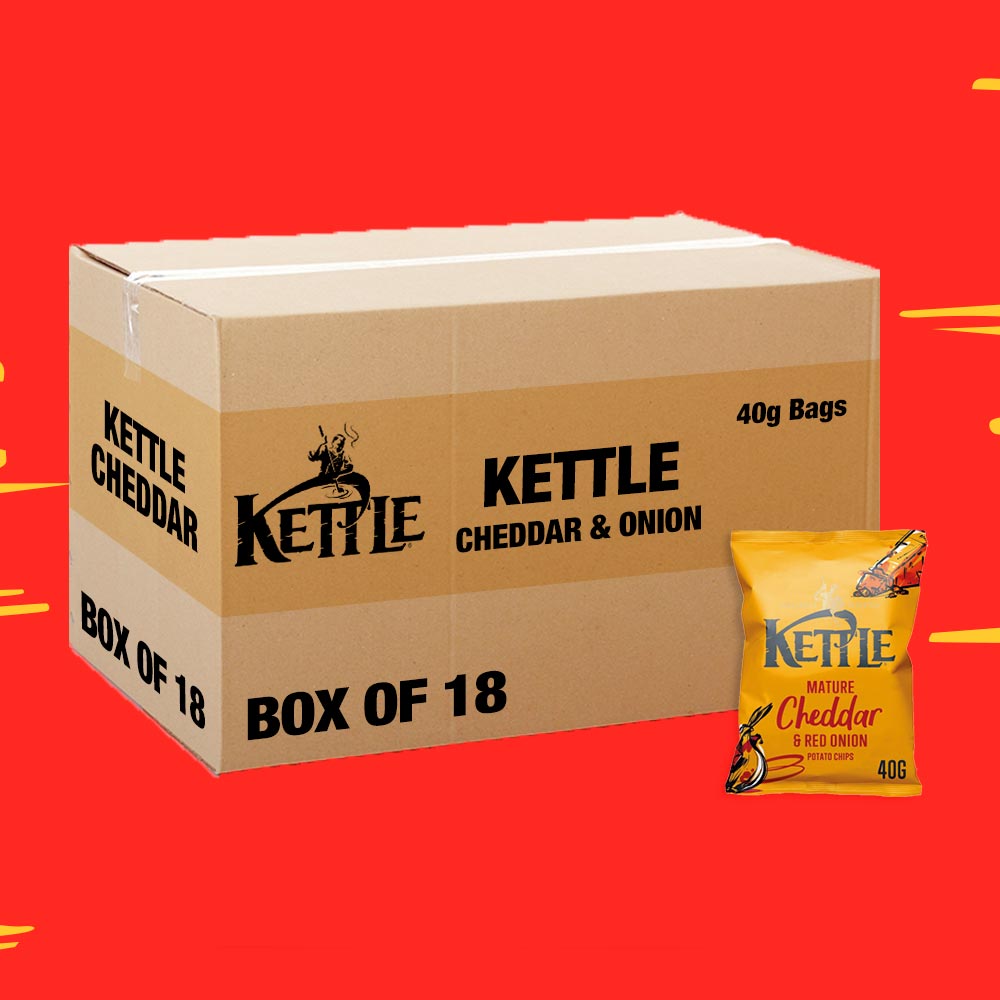
Kettle Chips Mature Cheddar & Red Onion 40g Box of 18
Popchips Sea Salt
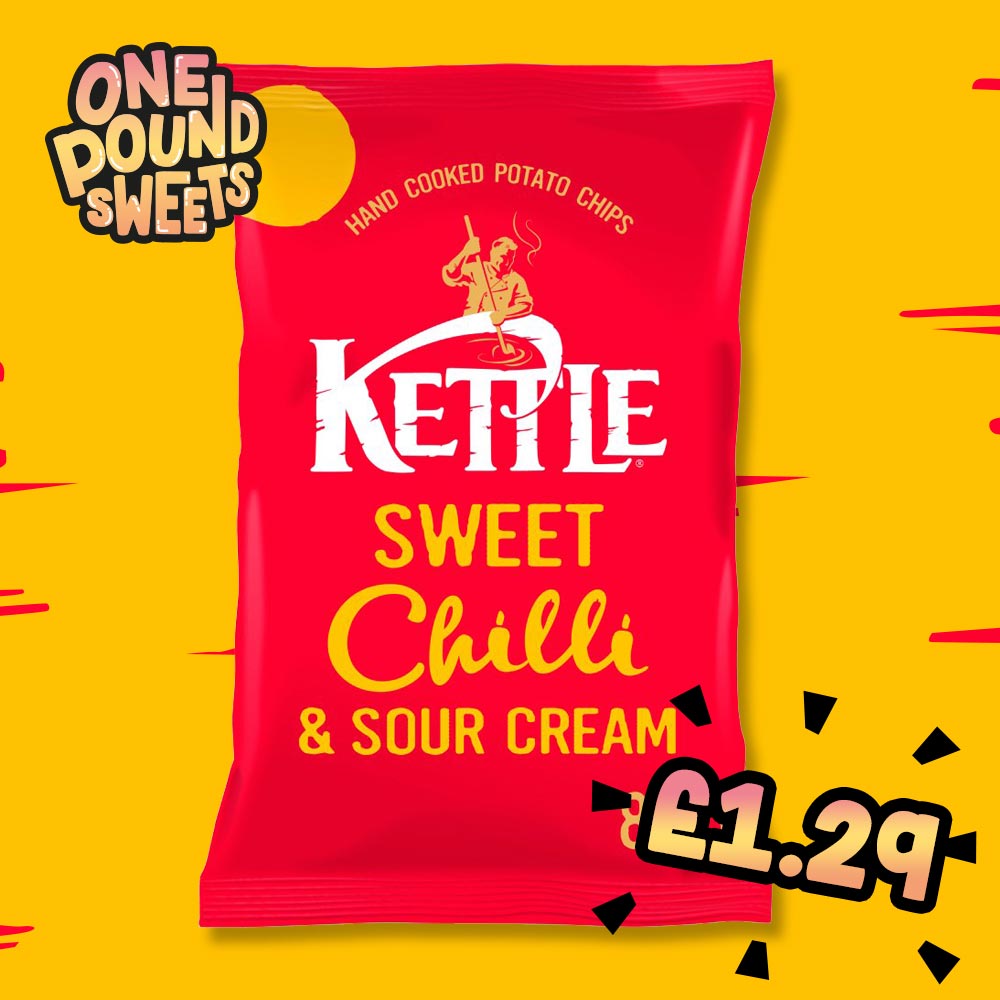
Kettle Chips Sweet Chilli & Sour Cream 80g
The short version: in America, chips are thin and bagged. In Britain, chips are thick and hot. The thin bagged snack is a crisp. Once you know that, the entire British snack aisle makes immediate sense.
In Britain, Chips and Crisps Mean Different Things
The first thing to understand is that neither country is wrong. They are using perfectly logical words for the things they describe. The problem is that the logic went in different directions.
What chips means in Britain
In Britain, chips are cooked potatoes. Hot ones. The kind that come with fish, served wrapped in paper, eaten with vinegar and salt. What Americans would call steak fries or thick-cut fries. Chips in a British context are a side dish, a hot food, something you order rather than something you pull out of a bag.
Ask for chips at a British pub and you will receive a bowl of thick-cut fried potatoes. Ask for chips at a fish and chip shop and you will receive the same thing in a larger portion, probably wrapped in paper. In a British school canteen, chips are on the hot food menu alongside sausages and baked beans. They are not a snack. They are part of a meal.
What crisps means in Britain
Crisps are the thin, cold, bagged snack. The version sold in multipacks. The one you eat at a desk or pull out of a lunchbox. What Americans call a chip or a potato chip, Brits call a crisp.
The word describes the texture. A crisp snaps when you bite it. It shatters. It has a brittle, dry quality that the thick hot chip does not have. That textural difference is exactly why the British word for the snack landed on “crisp” rather than anything else. The history of why crisps are called crisps goes back further than most people realise, but the core logic is simple: it described what the thing felt like in your mouth.
Why Britain Chose the Word Crisp
The answer to this comes from timing.
The word itself
Crisp comes from Old English. It described things that were brittle, dry, and easily broken. Dry leaves are crisp. Pastry crusts are crisp. Bacon left in the pan too long goes crisp. The word had been in everyday use for centuries before anyone applied it to a fried potato slice. When thin fried potato slices arrived as a commercial product in Britain, the word crisp was already sitting there, meaning exactly the right thing. It was not invented for the snack. It was borrowed.
Smiths Crisps 1920
The year that matters in British crisp history is 1920. That is when Frank Smith founded the Smiths Potato Crisps Company in Cricklewood, London, packaging thin fried potato slices in greaseproof paper bags with a small twist of salt tucked inside. The customer added their own salt, which was genuinely novel at the time. The product sold well. Smith’s distribution spread across London and then across the country.
Smith’s called the product crisps from the start. Their marketing, their packaging, and their branding all used the word crisp rather than chip. By the time competitors entered the market, crisps was already the established British term for the product. It became the default and has remained so ever since.
Why chips was already taken
The key detail is that in Britain, the word chip was not available. It already had a meaning.
Fried chipped potatoes had been sold from street vendors and chip shops in Britain since at least the 1860s. By the time Smiths started selling thin bagged potato slices in 1920, saying “chip” meant something specific and hot. Applying the same word to a cold, thin, bagged snack would have created immediate confusion at the point of sale. Was the customer asking for hot chips from a fryer or a bag of the new thin product? Using “crisp” eliminated that ambiguity completely.
In America, this problem did not exist. American food culture did not have the same established hot chip tradition. Thick fried potatoes were being called “french fries” rather than chips, so the word chip was free. The thin snack took it.
The American Side of the Story
In America, the thin bagged snack became a chip because nothing else was using that word.
Grab Chips vs Crisps while you read
(Ad) Affiliate links: we may earn a commission
The Saratoga Springs story
The popular version of the origin story goes like this: in 1853 at a restaurant in Saratoga Springs, New York, a chef named George Crum sliced potatoes paper-thin and fried them in response to a customer’s complaint that the fried potatoes were too thick. The customer loved them. The thin crispy slices became known as Saratoga chips and spread from there.
This story is widely repeated and widely disputed. Food historians have found references to thin fried potato slices in British cookbooks from 1817, decades before the Saratoga Springs incident. The truth is probably that the thin fried potato slice was developed in multiple places around the same time, and that George Crum’s version got the most press. What matters for the language story is that American English settled on “chip” as the word, and it stuck in the same way “crisp” stuck in Britain: through commercial repetition and brand marketing.
Why Americans stuck with chip
By the time crisps were being commercially produced in the UK, American snack companies were already calling their products chips. Lay’s, founded in 1932, used the word chip from the start. So did the other American brands that followed. The word embedded itself through advertising, packaging, and everyday use over decades. At no point was there a competing word with an established meaning that might have pushed “chip” aside. In America, the thin snack became a chip and stayed one.
The Practical Guide for Americans Visiting Britain
Knowing the theory is useful. Knowing what to actually say is more useful.
Ordering food in a restaurant or pub
If you want thick-cut hot fried potatoes with your meal, ask for chips. You will get what you expect. If the menu says “served with chips,” it means thick-cut hot potato, not a side bag of crisps.
If you want thin fries in a fast food context, asking for fries will work in almost every major chain. McDonald’s, Burger King, KFC: all use “fries” on their menus. The fish and chip shop is the main exception: there, the thing on the menu is chips, and that is what you order.
Buying snacks from a shop
If you want the thin bagged snack, ask for crisps or look for the crisps aisle. In a supermarket, the signage will say “Crisps and Snacks.” In a newsagent or corner shop, crisps are sold individually or in multipacks near the confectionery.
Do not ask for chips in a corner shop unless you want to look confused for a moment. The shop assistant will likely understand from context, but the word will feel wrong in the setting.
Reading menus
“Crisps” on a menu or as part of a meal deal (common in British sandwich shops) means a bag of the thin snack. Many British meal deals include a sandwich, a bag of crisps, and a drink. The crisps in question will be a standard bagged product. Walkers, Tyrrells, or own-brand equivalents.
For a full overview of the brands you will encounter, the British crisps guide for Americans covers the main brands and flavours worth knowing about.
Other Countries and What They Call It
The chips versus crisps split is not purely American versus British. It runs along looser lines than that.
Ireland follows the British convention: thin bagged snacks are crisps, thick hot potatoes are chips. Ireland has its own crisp industry, most notably Tayto, which was the first company in the world to produce flavoured crisps when Joe Murphy and Seamus Burke developed cheese and onion flavour in Dublin in 1954.
Australia and New Zealand generally use chips for both: context clarifies which one is meant. A bag of chips means the bagged snack. Chips with your meal means the hot version.
Canada follows American usage. Thin snacks are chips. Hot potato sides are fries.
The pattern roughly follows American English in former British colonies that had strong American cultural influence post-war, and British English in Ireland and older Commonwealth countries that maintained closer food culture links with the UK.
The British Crisp Brands Americans Should Try
Now that you know to call them crisps, here is where to start. Walkers are the UK’s biggest crisp brand, owned by PepsiCo, the same company that makes Lays. They are lighter and less salty than American chips. Monster Munch, Hula Hoops, and McCoy’s are the other brands most worth seeking out.
All of them are available in the US via Amazon as imported products. If you want to try them without a trip to Britain, Walkers crisps on Amazon is the easiest starting point. A variety pack covers the main flavours and gives you a proper sense of why British crisps have a following among Americans who have tried them.
For the Prawn Cocktail and Pickled Onion flavours specifically, those are the ones with no American equivalent. Start there.
What do British people call potato chips?
British people call the thin bagged snack crisps. The word chip in Britain means thick-cut hot fried potato, the kind served with fish. The two words describe two different foods in British English. What Americans call a chip or potato chip, Brits call a crisp.
Why do the British say crisps instead of chips?
Because chips already had a meaning in Britain. By the time thin bagged potato snacks arrived commercially in the 1920s, chips meant the thick-cut hot fried potatoes sold in fish and chip shops. Smiths, the first major British crisp company, called their product crisps from launch in 1920, the word stuck, and it has been the British term ever since.
Are chips and crisps the same thing?
They are the same snack described by two different words. In America, the thin fried potato snack in a bag is a chip. In Britain, the same product is a crisp. The recipes, textures and general approach are the same. The difference is purely the word used in each country.
What are chips called in England?
In England, chips are thick-cut hot fried potatoes. The kind served with fish. What Americans would call steak fries or thick-cut french fries. The thin bagged snack Americans call chips is called a crisp in England.
What do Americans call British crisps?
Americans call them chips or potato chips. If you describe a bag of Walkers to an American and hand them one to try, they will immediately recognise it as a chip. The product is the same. The word is different.
When did Britain start calling them crisps?
The word crisps became the standard British term through the commercial success of Smiths Potato Crisps, founded in 1920 in Cricklewood, London. Smiths used the word crisp on their packaging and in their marketing from launch. By the time competitors entered the market, crisps was already the established British term and no alternative word had a chance to challenge it.