The UK eats more crisps per person than any other country in Europe, spends over £3 billion a year on them, and has been obsessed with them since Smiths started selling plain potato slices in greaseproof bags in 1920. Here are 30 facts about UK crisps that actually check out.
The history of crisps
1. The first crisp recipe appeared in a British cookbook in 1817
-

Seabrook Classic Variety Crisp Box | 24 Packs Total | 24 x 25g
New£10.19 Free postage niki8303 (100% positive) Buy it now -

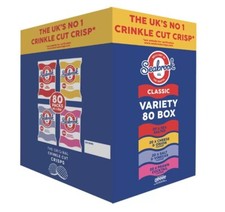
Seabrook Variety Crisps Box 80 Pack – 25g Bags – Mixed Flavours Snack Multipack
New£22.99 Free postage maessentials123 (100% positive) Buy it now -
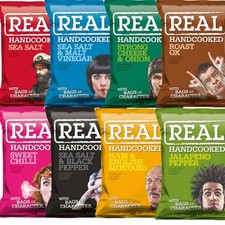
Real Crisps Mixed Box (Mixed between 8 flavours)
New£21.99 Free postage massdav (100% positive) Buy it now -
Seabrook Sea Salted Crisps - Pack of 32 x 31.8g (Full Box)
New£18.49 Free postage niki8303 (100% positive) Buy it now -

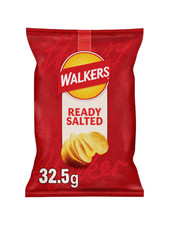
Walkers Ready Salted Flavour Crisps 32 x 32.5g Full Box - Fresh Stock
New£23.99 Free postage jlbrooksleeds (100% positive) Buy it now -
International Crisps Mystery Box (10 Packs) Imported Snack Variety Gift Idea New
New£19.99 Free postage candynchoc (100% positive) Buy it now



William Kitchiner, a London celebrity chef, included a recipe for “Potatoes fried in Slices or Shavings” in his bestselling cookbook The Cook’s Oracle in 1817. That makes the first documented thin fried potato recipe British, predating the famous American George Crum origin story by decades.
2. Commercial crisp production in the UK started in 1920
Frank Smith founded the Smiths Potato Crisps Company in Cricklewood, London in 1920. He sold plain fried potato slices in greaseproof paper bags with a small twist of salt tucked inside so customers could season their own. By the late 1940s, Smiths crisps appeared in virtually every pub in the country.
3. Flavoured crisps arrived in the 1950s, not the 1960s
Tayto, based in Ireland, created the world’s first flavoured crisp in 1954 with cheese and onion. Golden Wonder followed and helped drive the flavour boom across the UK through the late 1950s and into the 1960s.
4. Walkers was founded by a butcher
Henry Walker started Walkers in Leicester in 1948. Post-war meat rationing hit his butchery hard, so he pivoted to making crisps instead. That decision turned into the UK’s biggest crisp brand.
5. Smiths crisps were a staple in British soldier ration bags during World War II
Before supermarkets, before multipacks, Smiths crisps were already embedded in British life. By the early 1940s they featured in military rations, which is one reason the brand became so firmly established across the country.
Production and packaging facts
6. The air in crisp packets is actually nitrogen
Crisp packets look half empty because they are filled with nitrogen gas, not air. Nitrogen is inert so it does not react with the crisps and prevents them going stale. It also cushions the crisps against being crushed in transit. The packet is doing a job.
7. Walkers produces over 10 million packets of crisps every single day
From its base in Leicester, Walkers runs one of the largest snack food operations in Europe. Over 10 million packets leave the production line daily, making it easily the dominant force in the UK market with around 50% market share.
8. The UK crisp industry employs over 10,000 people
According to industry data, the potato crisp and snack manufacturing sector in the UK employs approximately 10,500 people across around 47 businesses. The sector has consolidated significantly over the past decade.
9. The world’s largest bag of crisps was made in Cambridgeshire
In September 2013, Corkers Crisps in Pymoor, Cambridgeshire set a Guinness World Record for the largest bag of crisps ever made. The bag stood 5.5 metres tall and weighed 1,141 kg. It took over 20 hours to fill and the first attempt failed when the bag split.
10. Pringles are legally not classified as crisps in the UK
Pringles contain less than 50% potato content, so they are classified as a potato snack rather than a crisp for VAT purposes. Procter and Gamble actually argued this in court to avoid paying VAT, then lost the appeal and had to pay it anyway. Pringles launched in the US in 1968 and arrived in the UK in 1991.
Flavour and brand facts
11. Cheese and onion is the UK’s most popular crisp flavour
According to YouGov polling, cheese and onion is the UK’s favourite crisp flavour at 31%, followed by ready salted at 28% and salt and vinegar at 23%. Prawn cocktail comes fourth at 11%. Our full breakdown of the UK’s favourite crisp flavours goes into more detail on the data.
12. Walkers put cheese and onion in blue packets, which most brands consider wrong
Traditionally, cheese and onion came in green packets and salt and vinegar in blue. Walkers reversed this when they launched. The debate has never been resolved and remains genuinely heated among British crisp fans. Read more about why Walkers salt and vinegar bags are green.
13. Walkers has produced some genuinely strange limited-edition flavours
Walkers has run public votes to choose new flavours, producing some memorable results including Cajun squirrel, fish and chips, builder’s breakfast, and onion bhaji. Most disappear quickly but the campaigns generate significant attention.
14. Prawn cocktail crisps contain no actual prawns
The prawn cocktail flavour is created entirely from flavourings, with no real prawns involved. It is also a distinctly British flavour, far less common in crisp markets elsewhere in the world. Read our post on what prawn cocktail crisps are actually made from for the full breakdown.
15. Golden Wonder launched in Edinburgh in 1947
Golden Wonder started as a Scottish brand and grew rapidly through the 1960s by innovating with new flavours before Walkers eventually dominated the UK market. Golden Wonder is now owned by Tayto Group.
Regional crisp brands
16. Tayto is the dominant crisp brand in Northern Ireland
While Walkers dominates Great Britain, Tayto holds the top spot in Northern Ireland. Tayto also invented the first flavoured crisp in 1954 and has a theme park in County Meath. The brand carries significant cultural weight in Northern Ireland that goes well beyond snack food.
17. Seabrook Crisps has been making crisps in Bradford since 1945
Seabrook is one of the UK’s longest-running regional crisp brands, founded in Bradford in 1945 and still known for their crinkle-cut potato crisps. They remain popular across the North of England.
18. The UK is home to dozens of smaller regional crisp producers
Beyond the major brands, the UK has around 47 businesses involved in crisp and snack manufacturing. Brands like Pipers in Lincolnshire, Tyrrells in Herefordshire, and Burts in Devon all built strong followings on regional identity and quality ingredients.
Crisp culture facts
19. The average UK resident eats around 150 packets of crisps per year
That works out at roughly three packets a week per person. Younger adults eat considerably more, with 16 to 29 year olds consuming around eight packets a week according to survey data.
20. The UK eats more crisps per capita than any other country in Europe
British people consume more crisps per head than any of their European neighbours. The UK crisp market is worth over £3 billion annually, with potato-based crisps still accounting for the majority of sales despite growth in popcorn and vegetable-based snacks.
21. The crisp sandwich is a legitimate British meal
Crisps placed between two slices of buttered bread is widely eaten across the UK, particularly in Scotland and Northern Ireland. Ready salted and cheese and onion are the most common fillings. It is not considered unusual.
22. Monster Munch has been around since 1977 and has shrunk over the decades
Monster Munch launched in 1977, originally made by Smiths and now produced by Walkers. The crisps were noticeably larger in their original form, and the reduction in size is a long-running complaint among loyal fans. You can browse the full Monster Munch range on the site.
23. Frazzles have used the same basic shape since 1975
Frazzles launched in 1975, and the distinctive stripe on each piece required a machine designed specifically for the job by a tool maker at Smiths’ West London factory. They are still made to the same shape today by Walkers under the Smiths brand.
24. Space Raiders originally cost 10p and held that price for years
Space Raiders launched in 1986 at 10p per bag and held that price for an unusually long time, becoming famous as one of the cheapest crisps on the market. The price has since risen but the brand still trades on value. Browse the Space Raiders range if you want to stock up.
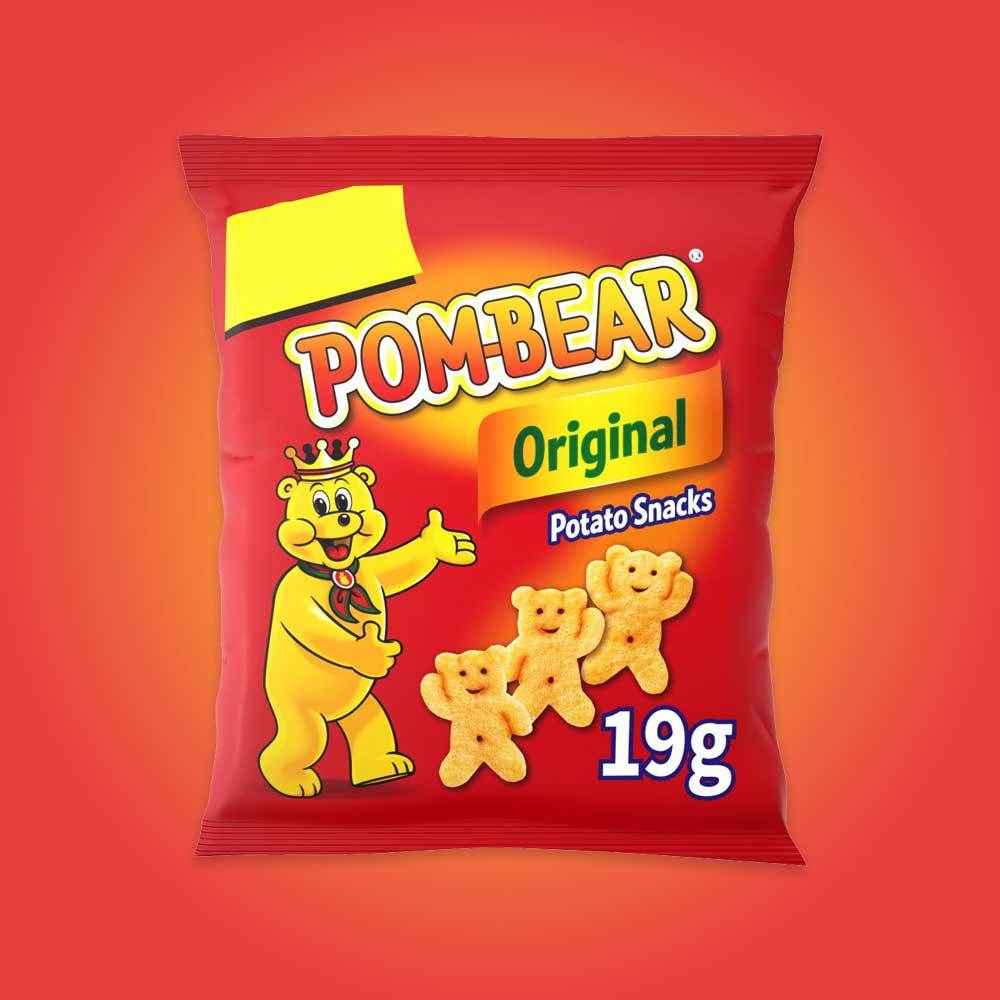
Pom Bear Crisps: The Complete Guide
Pom Bears are bear-shaped potato snacks made by KP Snacks in the UK. They launched in Germany in 1987 and arrived in…
25. Walkers has a crisp packet recycling scheme
Standard crisp packets are made from metallised plastic film that most councils do not collect at the kerb. Walkers introduced a scheme allowing consumers to post back empty packets for recycling, addressing a genuine gap in household waste collection.
Dietary and allergen facts
26. Most plain crisps are vegetarian, but not all flavoured varieties are
Plain potato crisps are typically suitable for vegetarians, but flavoured varieties can contain dairy, meat extracts, or animal-derived ingredients. Always check the pack for flavoured crisps. Our guide to vegan crisps in the UK covers which brands and flavours are fully plant-based.
27. Very few mainstream crisps are genuinely gluten free
Despite being potato-based, many crisps are manufactured on shared lines with wheat-containing products. Walkers confirms their crisps are not gluten free. Our gluten-free crisps guide covers which mainstream brands are genuinely safe for coeliacs.
28. BBQ Popchips are both vegan and gluten free
Popchips are one of the few mainstream snack brands where the BBQ flavour is certified vegan and gluten free. They are popped rather than fried, which also gives them around half the fat content of a standard fried crisp.
Record-breaking and unusual facts
29. Walkers once sent a crisp into space
Corkers Crisps launched a bag of crisps into near space via a weather balloon in 2013, the same year they set the world record for the largest bag. The stunt was part of a broader campaign to establish the brand’s credentials.
30. The Smiths brand name lives on despite being owned by Walkers since 1989
PepsiCo acquired both Smiths and Walkers in 1989. Rather than retire the Smiths name, they kept it as a sub-brand for products like Frazzles and Chipsticks. Smiths Snaps were discontinued in October 2025, leaving Frazzles and Chipsticks as the last surviving products under the Smiths name.
If you want to stock up on your favourite crisps, browse our full range of crisps available to buy in bulk and save money on the brands you actually eat.
Who invented crisps in the UK?
The first known crisp recipe in the UK appeared in William Kitchiner’s cookbook The Cook’s Oracle in 1817. Commercial production began in 1920 when Frank Smith founded the Smiths Potato Crisps Company in London, selling plain fried potato slices in greaseproof paper bags with a twist of salt inside.
What is the most popular crisp flavour in the UK?
According to YouGov polling, cheese and onion is the UK’s favourite crisp flavour at 31%, followed by ready salted at 28% and salt and vinegar at 23%. Prawn cocktail comes fourth at 11%.
Why are crisp packets only half full?
Crisp packets are filled with nitrogen gas rather than air. The nitrogen prevents the crisps going stale and creates a cushion that protects them from being crushed during transit and handling.
Which country eats the most crisps in Europe?
The UK eats more crisps per capita than any other country in Europe, with the average British person consuming around 150 packets a year. The UK crisp market is worth over £3 billion annually.
When did flavoured crisps start in the UK?
Tayto in Ireland created the first flavoured crisp, cheese and onion, in 1954. Golden Wonder helped spread flavoured crisps across the UK through the late 1950s and 1960s, adding pickled onion, smoky bacon, and other varieties.
Are Pringles classed as crisps in the UK?
No. Pringles contain less than 50% potato content and are legally classified as a potato snack rather than a crisp in the UK. This distinction has VAT implications and was the subject of a court case that Procter and Gamble lost on appeal.
We Think You Will Like These
Browse these products and shop them on Amazon
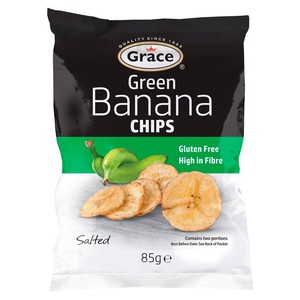
Grace Green Banana Chips
grace green banana chips are produced from unripe bananas, creating a savoury snack rather than…
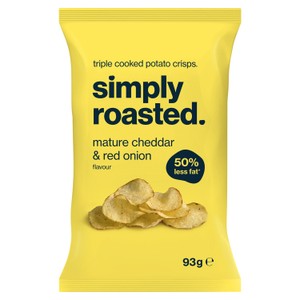
Simply Roasted Mature Cheddar & Red Onion Crisps
These roasted potato crisps combine mature cheddar cheese and red onion flavouring for a savoury,…
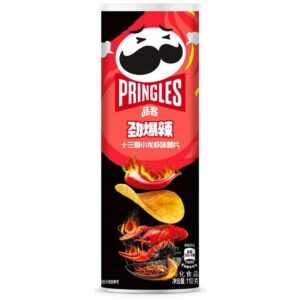
Pringles Super Hot Spicy Crayfish (China) 110g
A Chinese import featuring super hot spicy crayfish flavour in Pringles crisps. The 110g container…
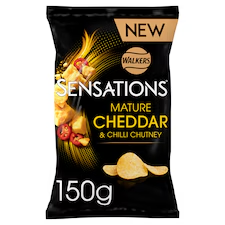
Walkers Sensations Mature Cheddar Cheese & Chilli Sharing Crisps 150g
Sharp mature cheddar cheese combines with gentle chilli heat in this 150g sharing bag from…